Research
Working papers
Older papers
Abstract
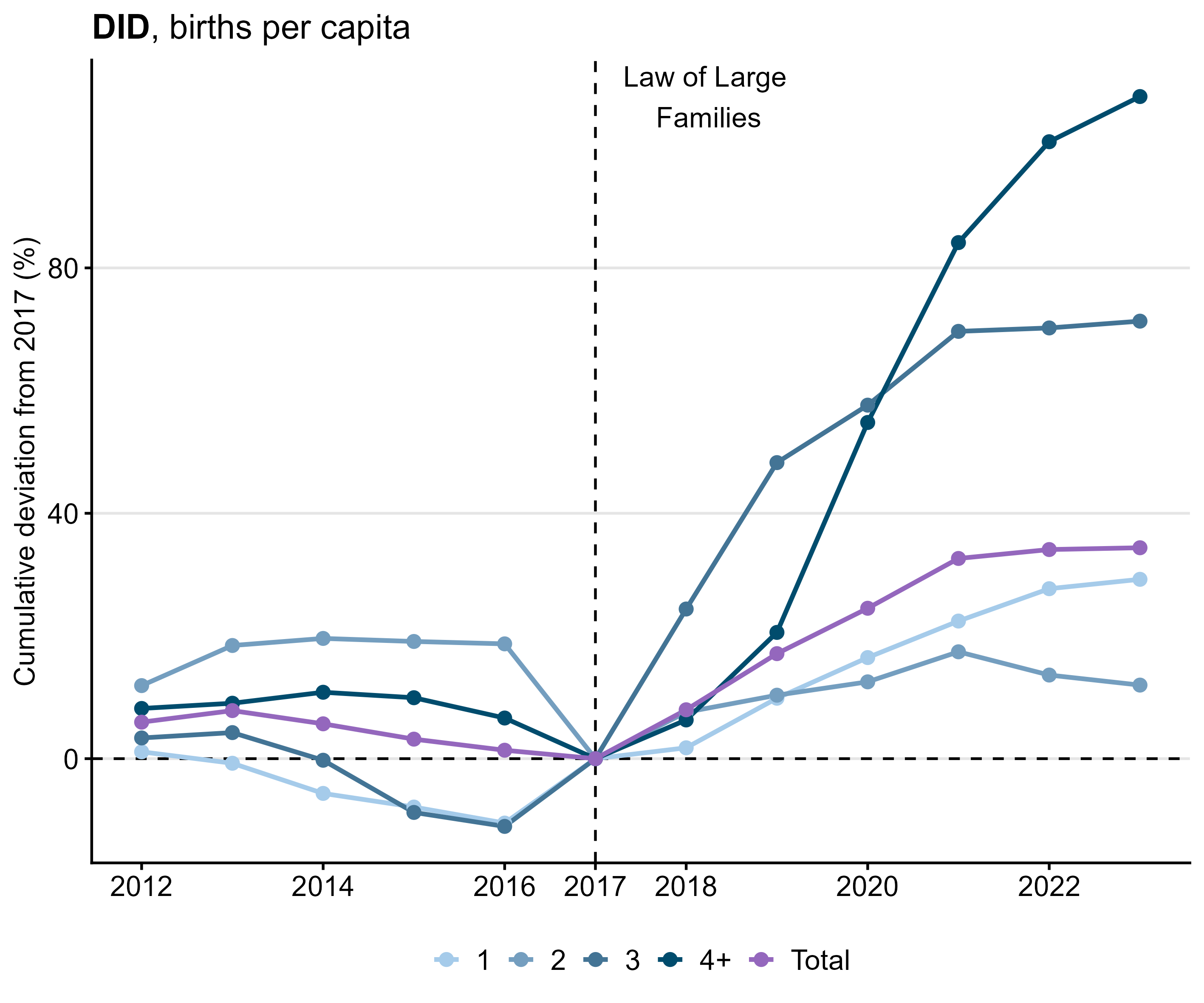
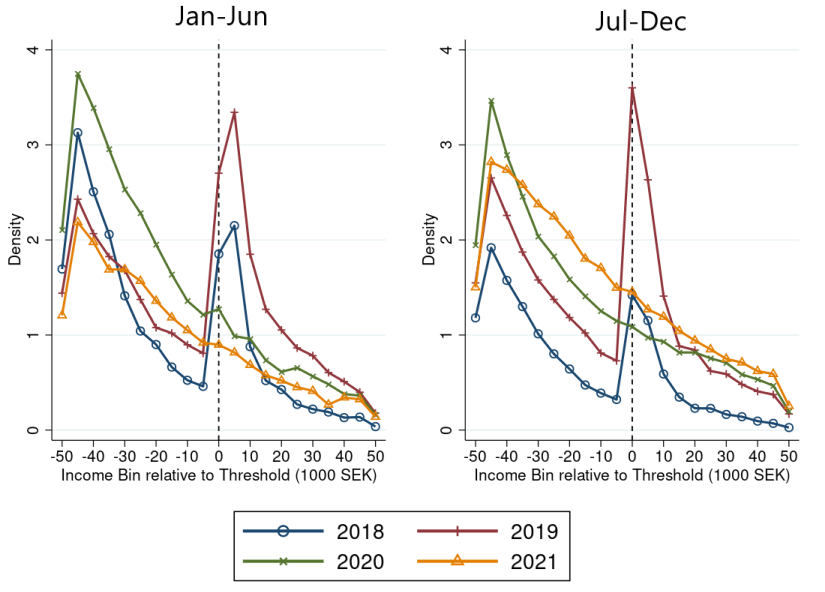
Sweden provides generous financial support for students in higher education, and disintentivises excessive part-time work by reducing support received if income exceeds a certain threshold. This threshold was temporarily removed during the COVID-19 pandemic, with the intent to support students' finances through the crisis. I provide the first examination of the effects of this reform using individual-level administrative data on the entire Swedish student population, and combine three research designs: bunching, simulated instrumental variables, and differences-in-differences. Consistent with theoretical predictions, I observe significant behavioural responses. Students increase their incomes by 10-12% on average, driven especially by high-earners and partially by individuals switching between student and non-student status during the pandemic. These results help inform the design of study aid systems balancing academic achievement with part-time work, as well as policies aiming to support students through economic shocks.
Abstract
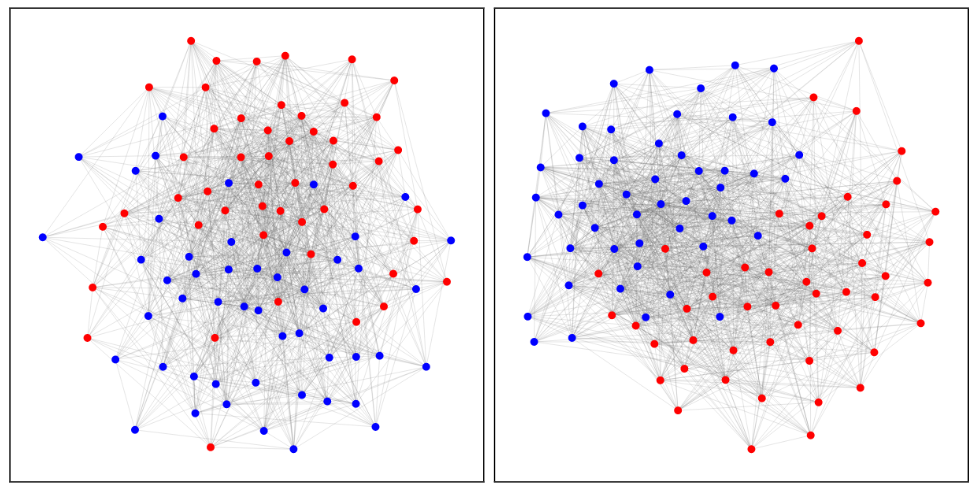
Social capital, from its conceptual roots based in sociology, has since the early 2000s attracted substantial interest in applied economic research. Despite extensive work documenting its significance in determining economic outcomes, the concept remains largely detached from mainstream economic academia and almost entirely absent from economic theory. In this dissertation, I aim firstly to provide an overview of modern empirical literature on social capital and its more analytically tractable component, network capital. To substantiate its importance quantitatively, I develop a stylised network-based model of social capital which extends the Jackson and Rogers (2007) model to incorporate the latest findings of Chetty, Jackson, et al. (2022b). Calibrating my model on data from the latter, I simulate the Moving to Opportunity experiment –a policy aimed at increasing cross-class interaction and decreasing cross-generational inequality– in the presence of biased interaction mechanisms. My model successfully replicates the empirical findings of Chetty et al. and captures a rich variety of endogenous behaviour, most strikingly that of emergent segregation by socio-economic status. My findings indicate that network-based models constitute a promising avenue for future research in both the specific area of social capital and for the field of economics at large, notably with potential incorporations of recent advances in complexity theory and the growing field of complexity economics.